That mysterious water stain on your ceiling can be alarming!
Roof leaks are a common homeowner headache, often starting small and quickly causing major damage. The visible drip is rarely where water enters; it can travel far from the entry point, making leaks hard to diagnose. Knowing the most common trouble spots is key to protecting your home. If you suspect a leak, prompt repairs by a trusted roofing contractor can prevent costly issues.
1. Chimney Flashing
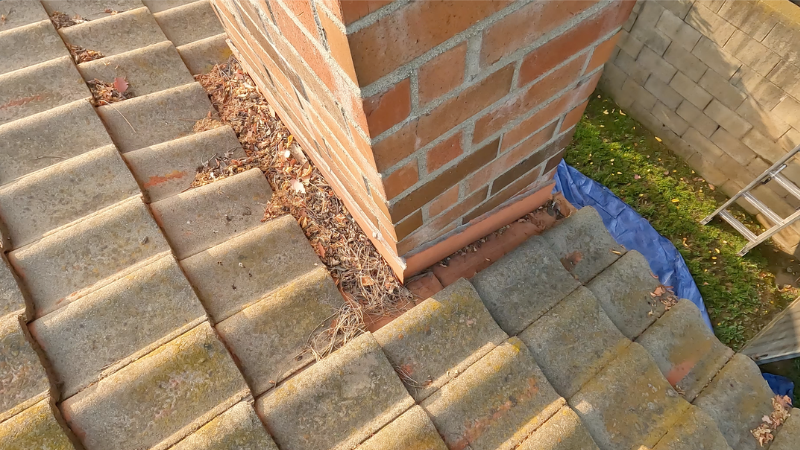
Chimneys are a common source of roof leaks, mainly due to flashing issues. Flashing is the metal barrier where the chimney meets the roof, directing water away. If flashing is old, rusted, or installed incorrectly, it lets water in. Step and counter flashing work together to seal this area, but sealant can crack or metal can loosen over time from temperature changes, allowing rain to enter. Cracks in chimney mortar also absorb water. Because chimneys penetrate the roof, keeping them watertight is challenging. Any failure in flashing or structure makes leaks likely, so regular inspections are essential.
2. Roof Valleys (Where Two Roof Planes Meet)
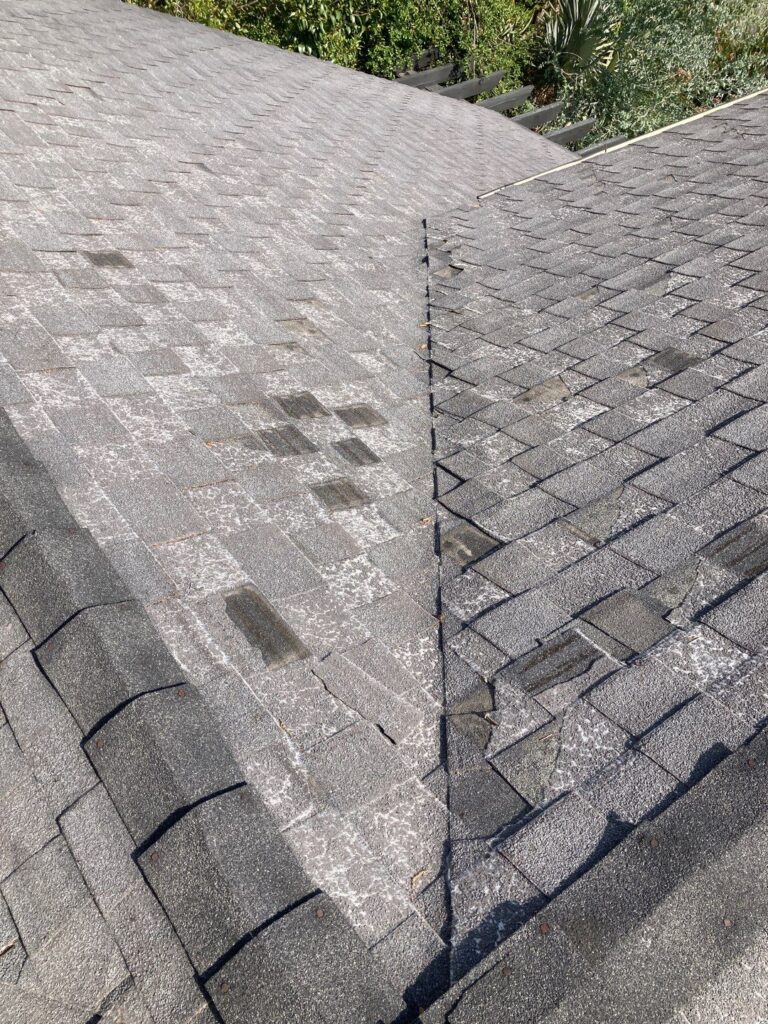
Roof valleys are channels where two roof slopes meet, directing large volumes of rainwater. Because of this concentrated flow, they are prone to leaks if not properly sealed. Common issues include debris buildup—like leaves and pine needles—which can block water and force it under the shingles. Improper installation or failure of valley flashing also causes leaks, as can small punctures or gaps. To help prevent leaks, a water shield is typically installed under the flashing, but worn shingles or failed flashing can still allow water in. A straight line stain on your ceiling often indicates a leaking roof valley.
3. Vent Pipe Boots and Plumbing Vents
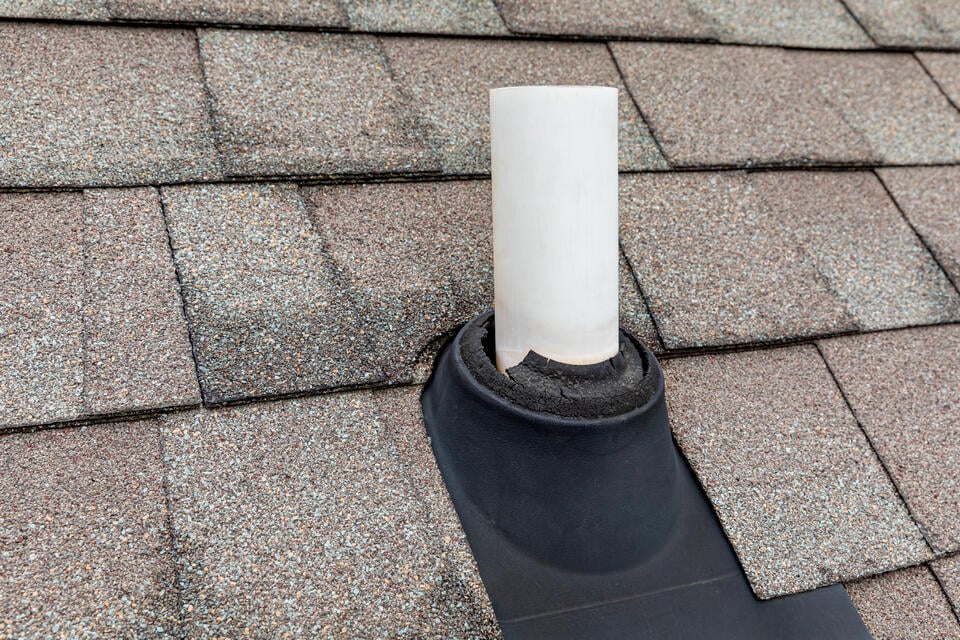
Your roof has various vent pipes for your plumbing and exhaust systems. Each penetration is sealed with a “boot,” which is a flashing that fits over the pipe. These boots are often made of rubber or neoprene, which can degrade over time.
Constant exposure to the sun’s UV rays causes the rubber boots to dry out, crack, and eventually fail. This creates gaps around the vent pipes, allowing water to drip directly into your attic and cause water damage. This is one of the most common and easily preventable leak sources.
Key signs of a failing pipe boot include:
- Cracked or brittle rubber collars
- Gaps forming between the boot and the pipe
- Rust stains around the base of the flashing
Because these boots are made of materials that wear out faster than the shingles themselves, they are a frequent cause of leaks on roofs that are otherwise in good condition.
4. Skylight Frames and Seals
While skylights are a wonderful way to bring natural light into your home, they are essentially a window in your roof, making them a prime spot for leaks. Skylight leaks are usually not caused by the glass itself, but by the surrounding frame, seals, or flashing. Improperly installed roof flashing is a major cause of water intrusion around skylights. If the metal isn’t layered correctly with the shingles, water can easily get underneath.
Common causes of skylight leaks include:
- Failed gaskets or seals around the glass
- Clogged weep holes designed to drain moisture
- Condensation that is often mistaken for a leak
Note: It’s important to distinguish between a leak and condensation, which can form on the inside of the glass. However, if you see water stains or bubbling paint around the skylight shaft, it’s likely a flashing or seal issue.
5. Damaged or Missing Roof Shingles
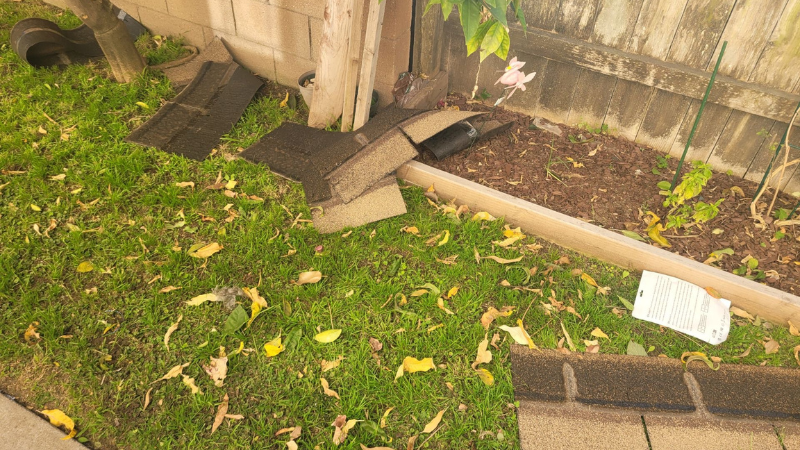
Shingles are your roof’s first defense against the elements. When they’re damaged, cracked, or missing, the underlayment is exposed to moisture, causing leaks. High winds often break the adhesive seal and lift shingles off during storms. Over time, asphalt shingles become brittle and lose protective granules, exposing them to UV damage.
Finding shingle debris in your yard or gutters after a storm is a warning sign. Even one missing shingle allows water to reach vulnerable layers below. Storm damage often requires a professional inspection to determine if repair or replacement is needed.
6. Roof Vents (Attic, Turtle, and Bathroom Vents)
Like plumbing vents, attic and bathroom roof vents—such as turtle vents, ridge vents, and exhaust fan covers—are common sources of leaks. These vents create openings in the roof that must be well-sealed; flashing and sealant around them are frequent weak points. Leaks often result from cracked vent housings, damaged flashing, or deteriorated sealant. Wind-driven rain can force water under poorly sealed vent bases, causing ceiling stains below the vent. While proper attic ventilation is important, it introduces roof penetrations that need careful sealing. Over time, seals can degrade, so regularly inspecting and maintaining flashing and sealant around all roof vents is essential for preventing leaks.
7. Underlayment Failure
The underlayment is the protective layer of material between your shingles and the roof decking. It serves as a secondary barrier against water.However, if water gets past the shingles due to damage or wind, the underlayment is the last line of defense. If it fails, you will get a leak.
Underlayment can fail for several reasons. During a roof installation, it can be torn by foot traffic or improperly fastened. If there are not enough overlaps between sections, it can create gaps for water to exploit. Aging is another factor; older felt underlayment can become brittle and crack over time, losing its water resistance.
Leaks caused by underlayment failure can be tricky to diagnose because the shingles on top might look perfectly fine. This is why a leak might appear far from any obvious damage. A slow, seeping leak during a long rain is often a sign that the problem lies with this hidden protective layer, which can lead to widespread water damage if not addressed.
8. Gutter and Fascia Connections
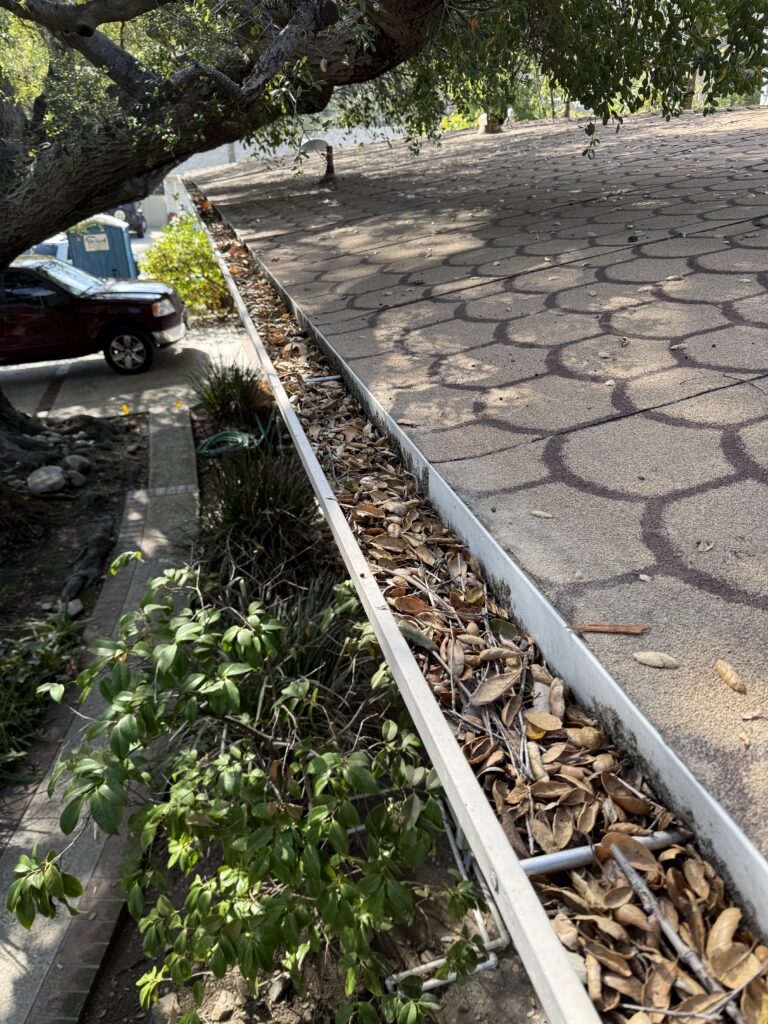
Gutters direct water away from your roof and foundation. When clogged with leaves and debris, they can’t drain properly, causing water to back up at the roof edge. This standing water can seep under shingles, damage fascia boards, and lead to rot or leaks inside your walls or attic.
Two common issues related to gutters are:
- Ice Dams: In colder climates, clogged gutters can lead to ice dams in the winter, where melting snow refreezes at the roof edge, forcing water under the shingles.
- Missing Drip Edge: A missing or improperly installed drip edge (a piece of metal flashing) allows water to cling to the fascia and work its way back into the structure.
Keeping your gutters clean and ensuring your roof has a proper drip edge are crucial steps in preventing leaks along the perimeter of your home.
9. Flat Roof Membrane and Drainage Issues
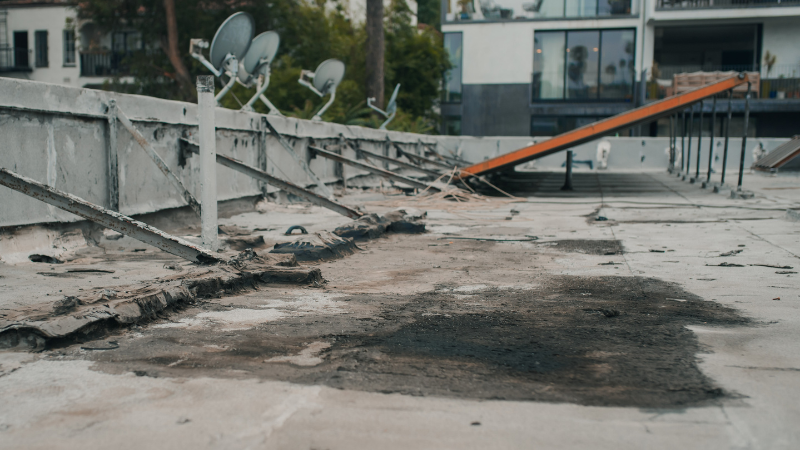
Flat roofs (common on modern homes, additions, garages, and commercial roofing) are notoriously prone to leaks. Unlike sloped roofs that use gravity to shed water, flat roofs rely on a seamless membrane and perfect drainage to stay dry. Any small imperfection can lead to big problems.
Seam separation is another major vulnerability. Over time, the seams where sections of the membrane are joined can pull apart due to weather exposure and structural movement, creating an entry point for water.
The most significant issue for a flat roof is ponding water. If the roof doesn’t have a slight slope toward its drains or scuppers, water will collect in low spots. This standing water puts constant pressure on the roof membrane and will eventually find a way through any weak seam or tiny puncture. Blistering, where trapped moisture or air expands under the membrane, can also lead to failures.
10. Improper Nailing Leads to Holes
Sometimes, the source of a leak is as small as a single nail. Nail pops happen when the nails used to fasten shingles to the roof decking back out over time. This is usually caused by the expansion and contraction of the wood decking as temperatures change. When a nail pushes its way up, it can lift the shingle above it, breaking the watertight seal. In some cases, the nail head can even punch right through the shingle. This leaves a small but direct hole for water to enter, leading to small leaks that can be difficult to trace.
Why These Roof Areas Are Prone to Leaks
The common thread among most leak-prone spots is that they are all interruptions in the smooth, continuous surface of your roof. Every time something penetrates the roof or two surfaces meet, it creates a seam that must be perfectly sealed against water intrusion. These roof features are inherently vulnerable areas.
Vulnerabilities Around Roof Penetrations
Cutting a hole in your roof creates a potential water entry point. Roof penetrations like chimneys, vents, and pipes are common sources of leaks. The challenge is creating a durable seal between the roofing material and the object, using flashing, boots, and sealants. Chimney flashing directs water away from the base, while rubber boots around vent pipes form tight gaskets. These components are continually exposed to the elements.
UV radiation from the sun degrades rubber and plastic, causing them to crack. The constant expansion and contraction from temperature changes can cause metal flashing to loosen and sealants to break down. This inevitable wear and tear are why penetrations are the most vulnerable spots on any roof and require regular inspection.
Impact of Weather and Climate on Leak-Prone Points
Weather is the ultimate stress test for your roof, and each climate poses unique challenges. Heavy rain, high winds, and ice can turn small weaknesses into major leaks. Knowing how your local climate affects your roof lets you anticipate problems.
Storm damage is a top cause of leaks. High winds lift shingles and break seals; driving rain forces water into tiny crevices. In colder areas, freeze-thaw cycles widen cracks as water freezes and expands.
Signs to Detect Leaks Early in These Areas
Catching leaks early is key to minimizing water damage. Watch for yellow or brown stains on ceilings or walls—these may feel soft or damp. Bubbling or peeling paint also signals trapped moisture. In the attic, look for dark streaks, damp insulation, mold, or a musty smell.
Early warning signs include:
- Discoloration on ceilings
- Bubbling paint
- Missing roof shingles
After heavy rain or wind, check your home’s exterior and ceilings for new stains or debris. Spotting these issues early lets you call a professional before minor leaks become major problems.
How a Reputable Roofing Contractor Prevents Leaks
Professional Installation and Maintenance Practices
A leak-free roof starts with professional installation. A reputable contractor ensures all roofing components—from properly fastened decking and high-quality water shields to correctly overlapped underlayment—work together seamlessly. Shingles must be nailed in precise patterns for wind resistance, while flashing around chimneys and vents should be layered to shed water, not just sealed. Proper attic ventilation prevents internal moisture buildup.
Regular inspections and maintenance are essential. Professionals can catch minor issues before they cause leaks. Preventive maintenance includes resealing flashing, replacing cracked pipe boots, and clearing debris from valleys. Scheduled checks after major storms help spot hidden damage and extend your roof’s lifespan.
Expert Leak Detection and Preventive Solutions in California
For California homeowners, Specialist Roofing understands the challenges of the local climate: intense sun, seasonal rains, and high winds. Our team doesn’t just fix leaks; we prevent them with expert installation and thorough inspections. We conduct comprehensive checks of all common leak areas, tracing water stains back to their source for precise repairs. Special attention is given to sun-damaged pipe boots and weathered flashing.
Whether you need residential or commercial roofing, we use quality materials and proven techniques to seal every vent, valley, and seam. Trust Specialist Roofing to protect your property with professional leak detection and prevention.
Conclusion
In conclusion, being aware of the most common roof leak areas is essential for homeowners. From chimney flashing to flat roof membranes, each vulnerable point requires attention and proper installation to prevent costly leaks. A reputable contractor plays a critical role in ensuring that these areas are effectively addressed through professional installation and regular maintenance. If you’re looking for expert assistance in safeguarding your roof against leaks, don’t hesitate to contact Specialist Roofing in California. Our team is here to help you with reliable solutions tailored to your needs!
Frequently Asked Questions
How can I quickly identify the source of a roof leak?
Start by looking in the attic above the water stains on your ceiling. Trace the water marks on the wood decking uphill to the highest point, as water travels down. The source of roof leaks is often higher than where the ceiling stains appear. For a definitive answer, a professional inspection is your best bet.
Which types of roofs are most susceptible to leaks?
Older roofs of any material are most susceptible due to wear and tear. Flat roofs are notoriously prone to leaks due to drainage issues. While systems like metal roofing are durable, even they can leak at seams and penetrations if not installed perfectly. Asphalt shingles can leak if damaged or old.
What maintenance tips help prevent roof leaks in California homes?
For California homes, schedule regular roof inspections with a qualified roofing contractor to check for sun damage on pipe boots and flashing. Keep gutters clean to handle seasonal rains, ensure proper attic ventilation to reduce heat buildup, and address any damaged or missing shingles promptly to prevent water intrusion.