Understanding Roof Lifespans in California
Knowing when to invest in a roof replacement is one of the most important responsibilities of a homeowner. Your roof is your home’s primary defense against the elements, and its condition is crucial for your safety and comfort. The lifespan of a roof can vary significantly depending on the roofing materials used, local weather, and how well it has been maintained. In California, the roof lifespan is influenced by a unique set of environmental conditions. Constant sun exposure can dry out and crack certain roofing materials, while seasonal rains and high winds in some areas can also take a toll. These local weather conditions can shorten a roof’s life compared to those in milder climates.
Understanding how these factors impact different materials is key to knowing when a replacement might be necessary. We’ll explore the typical replacement ages for popular roofing materials and the specific signs of wear to watch for.
Average Lifespan of Roofing Materials
Most roofs should be replaced every 20 to 25 years, especially those with asphalt shingles. However, this is an average; the exact lifespan varies by material and local conditions. Even if a roof looks fine, it may have underlying issues that require replacement. Replacing an aging roof before problems arise helps prevent costly structural damage. Timely replacement keeps your home safe, secure, and efficient.
The roofing material you choose greatly affects your roof’s lifespan. Some materials, like asphalt shingles, wear out faster than more durable options such as metal or tile. Selecting the right material can save you money on replacements and maintenance over time.
Asphalt Shingles
Asphalt shingles are a popular and affordable choice for many homeowners. When properly maintained, asphalt shingle roofs can last between 15 and 25 years. However, their lifespan can be affected by factors like climate, ventilation, and installation quality. Architectural shingles, a thicker and more durable type, can last closer to 30 years.
One of the clearest signs that your asphalt shingles are aging is granule loss. These protective granules shield the shingles from sun damage. When you see them collecting in your gutters, it’s a sign the life of your roof is nearing its end and a roof replacement may be needed soon.
Here is a quick overview of what to expect from different types of asphalt shingles:
| Shingle Type | Average Lifespan | Notes |
|---|---|---|
| Standard 3-Tab Shingles | 15–20+ years | Affordable but more susceptible to wind damage. |
| Architectural Shingles | 20–30 years | Offers increased durability, enhanced wind resistance, and a richer, multidimensional appearance. |
Tile Roofs
Tile roofs, made from clay or concrete, are renowned for their exceptional durability and long lifespan. In many parts of California, they are a popular choice due to their resistance to heat and sun. A well-maintained tile roof can last 50 years or even longer, making it a fantastic long-term investment for your home.
Despite their resilience, tile roofs are not indestructible. The underlying components, like the underlayment, can wear out before the tiles themselves, typically after 20-30 years. Cracked or broken tiles can also occur, allowing water to seep underneath and cause water damage. Regular inspections are vital to ensure the roof’s integrity.
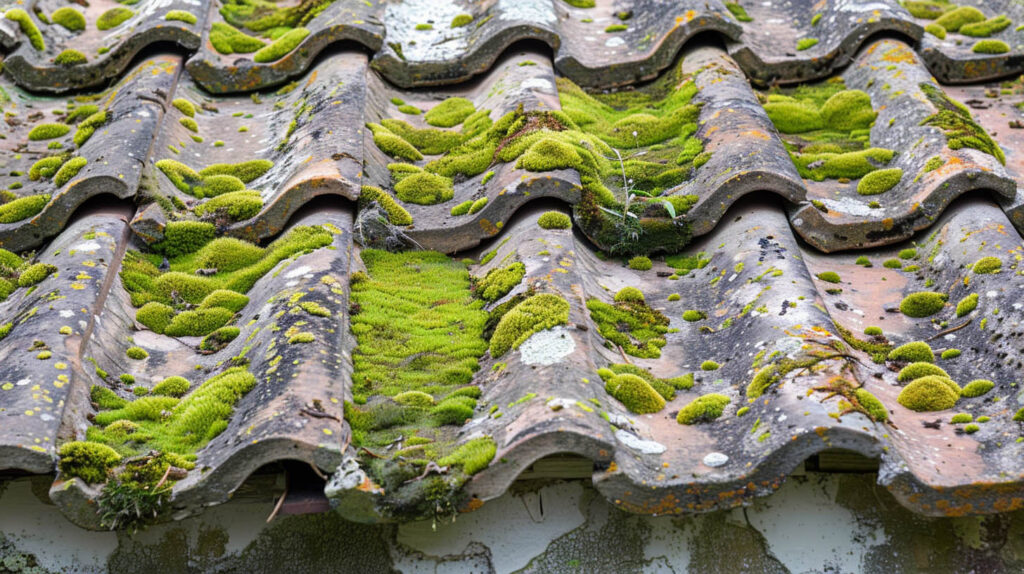
When you start noticing widespread cracked, slipped, or missing tiles, it could be a sign that your roof is approaching the end of its lifespan. These issues can compromise the waterproof barrier of your roof, so it’s important to address them with a professional to determine if a repair or replacement is needed.
Torch Down Roofing
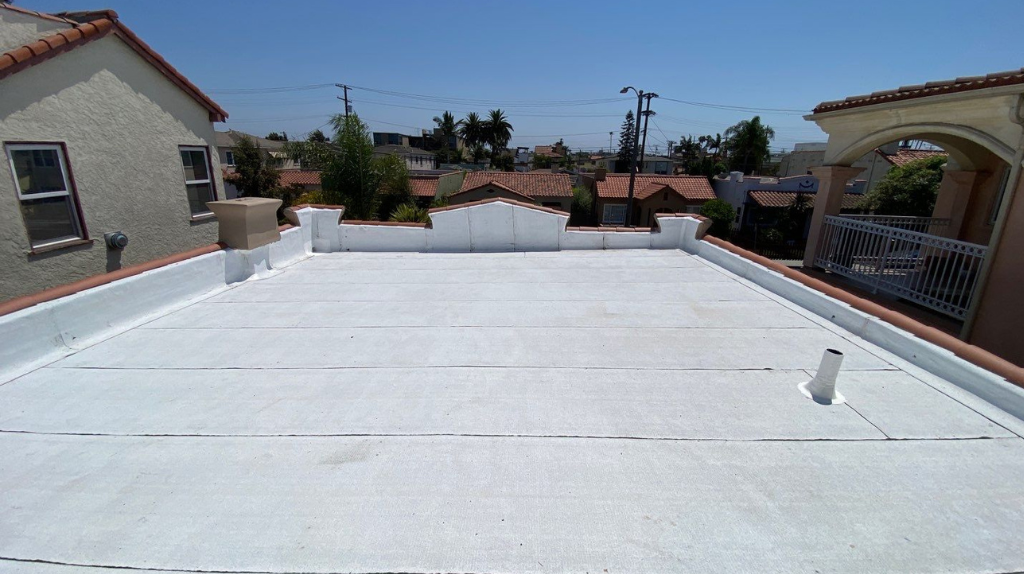
Torch down roofing is a type of rolled roofing commonly used on flat or low-slope roofs, such as on patios or commercial buildings. It consists of modified bitumen applied with a torch to create a durable, waterproof seal. A properly installed torch down roof can last between 15 and 20 years.
As this roofing system ages, it can develop certain issues. The most common signs of aging include blistering, cracking, or alligatoring of the surface. These signs indicate that the material is losing its flexibility and waterproofing capabilities, which can leave your roof deck vulnerable to moisture.
If you notice large cracks or areas where the seams are pulling apart, it’s a clear signal that the waterproof seal is compromised. Ignoring these issues can lead to leaks and serious damage to the underlying roof structure. It’s crucial to have a professional inspect the roof to determine if a replacement is necessary.
Signs Your Roof May Need Replacing
Recognizing roof failure signs is key to preventing major issues. Beyond age, visible and hidden damage (like missing shingles, ceiling water stains, or granules in gutters) mean that it’s time for a replacement. Spotting these early lets you address problems before they become costly. We’ll cover both obvious signs from the ground and subtle clues you might find in your attic.
Visible Damage and Wear
One of the easiest ways to check your roof’s health is by performing a simple visual inspection from the ground. Many common signs of roof damage are easy to spot if you know what to look for. Ignoring these visible cues can lead to more significant issues down the line.
Look for these clear indicators that your roof is experiencing wear and tear:
- Missing or Cracked Shingles: Gaps in your roof’s armor are an open invitation for water damage.
- Curling or Buckling Shingles: This often signals that the shingles are past their life expectancy and are no longer providing adequate protection.
- Granule Loss: Signs of shingle granules in your gutters or on your driveway means your shingles are deteriorating and losing their protective layer.
- Dark Streaks or Moss Growth: While sometimes cosmetic, these can indicate trapped moisture, which can lead to rot and decay.
If you notice any of these issues, it is a good idea to contact a professional for a more thorough inspection. They can assess the extent of the roof damage and recommend the best course of action.
Hidden Warning Signals to Look For
Not all roofing issues are visible from outside. Serious warning signs often appear inside, especially in the attic. These hidden clues may indicate water intrusion or poor ventilation, leading to damage. Regularly check your attic and ceilings for these subtle signs. Here are some hidden signals to watch out for:
- Water Stains or Discoloration: Dark spots on ceilings or walls are telltale signs of leaks.
- Sagging Ceiling or Roof Deck: A drooping roof deck, visible from the attic, indicates a serious structural problem.
- Trapped Moisture or Mold: A damp or musty smell in the attic is a sign of poor ventilation and potential water intrusion.
- Rising Energy Bills: An inefficient roof can let air escape, forcing your HVAC system to work harder.
Discovering any of these issues means it’s time to schedule a professional roof inspection immediately. An expert can pinpoint the source of the problem and prevent further damage.
Repairing vs. Replacing: Making the Right Choice
When you discover a problem with your roof, you’re faced with a big decision: should you opt for a roof repair or a full replacement? The right choice depends on several factors, including the age of your roof, the extent of the damage, and the type of roofing material you have. Minor damage on a relatively new roof can often be repaired.
However, if your roof is old or has widespread issues, a replacement might be the more sensible and cost-effective solution in the long run. A professional inspection is the best way to get a clear picture of your roof’s condition and make an informed decision.
Should You Replace a 20-Year-Old Roof That Looks Fine?
It’s a common question for homeowners: if my 20-year-old roof looks fine, do I really need to replace it? While appearance is one indicator of health, it doesn’t tell the whole story. Many signs of aging are not visible to the untrained eye. An asphalt shingle roof, for example, is likely nearing the end of its projected lifespan at the 20-year mark.
Even without obvious damage, an older roof is more susceptible to failure, especially during a severe storm. The materials naturally degrade over time, losing their flexibility and protective qualities. This can lead to hidden issues like brittle shingles that could crack under pressure or a deteriorating underlayment.
Waiting for a problem to appear can be a risky gamble. Proactively planning for a complete roof replacement gives you control over the process and helps you avoid the stress and expense of an emergency situation. A new roof also provides peace of mind, knowing your home is fully protected.
When Repairs Are a Cost-Effective Solution
A full roof replacement is often unnecessary. If your roof is relatively new and the damage is minor or localized, a repair can be a cost-effective solution. Promptly fixing small issues—like replacing a few missing shingles, sealing a leak around a vent, or repairing flashing—can extend your roof’s lifespan and help you avoid the high cost of replacement. If most of the roof is in good shape, targeted repairs are usually sufficient.
However, it’s important to have a professional assess the damage to ensure there aren’t larger underlying issues. For a 14-year-old roof with isolated problems, repair is often the best choice, but always consult an expert for guidance.
Taking the Next Step
If your roof is aging or showing warning signs, don’t wait for small issues to become big problems. Consult a professional roofing contractor for an accurate assessment and clear guidance. Early action lets you address issues on your terms and keeps your home protected.
Specialist Roofing offers experienced, reputable contractors for peace of mind. We provide expert advice and quality workmanship using guaranteed, high-quality materials and strict industry standards. From inspection to cleanup, our customer service supports you every step of the way.
Invest in your home’s safety and value with us. We’ll help you choose the right materials for your needs and budget, making roof replacement seamless and stress-free.

Frequently Asked Questions
At what age should most roofs be replaced?
Most roofs, particularly those with asphalt shingles, should be replaced between 20 and 25 years of age. However, the lifespan of your roof depends on the roofing materials used and local climate. A professional inspection can help determine if your roof has reached the end of its lifespan and needs a roof replacement.
Is it better to repair or fully replace a roof after 14 years?
For a 14-year-old roof, the decision depends on the extent of the damage. If it’s minor damage in an isolated area, a roof repair is often a cost-effective solution. However, if the damage is widespread or the roof shows significant wear, a full roof replacement may be more sensible. A roofing contractor can provide the best advice.