A leaky roof is a homeowner’s nightmare. The constant worry about water damage can be stressful and costly. If you’re building a new home or considering a roof replacement, you’re likely wondering what type of roof offers the best protection against leaks. The right roofing material can make all the difference in keeping your home safe and dry. This guide will walk you through expert insights on which roofing options are least likely to leak, helping you make an informed decision for your property.
What Causes Roof Leaks?
Roof leaks aren’t always caused by a single, dramatic event. More often, they are the result of gradual wear and tear. Factors like aging roofing material, damaged fasteners that no longer hold securely, and issues with the underlying roof deck can all create pathways for moisture to seep in. Over time, exposure to the elements breaks down even the most durable materials.
Common Factors That Lead to Leaks in California Homes
Living in California means dealing with a unique set of environmental challenges that can impact your roof’s integrity. The state’s diverse climate, from intense sun to seasonal rains, puts constant stress on your roofing material.
These specific conditions can accelerate wear and lead to premature failure if your roof isn’t suited for the local environment. Moisture can exploit any small weakness, eventually finding its way into your home.
Common issues leading to leaks in California include:
- Extreme Heat and UV Radiation: Sunlight can cause materials like asphalt to warp, crack, and become brittle.
- Wildfire Risk: Embers from wildfires can land on roofs, and if they enter gaps in the roofing material, they can compromise the roof deck.
- Heavy Rains: Seasonal downpours test your roof’s ability to shed water efficiently, overwhelming compromised areas.
- Improper Installation: Poorly installed fasteners or flashing can create immediate vulnerabilities for moisture intrusion.
Beyond the material itself, your local climate and the architectural design of your roof are critical in preventing leaks. A roof designed for a snowy region may not perform well under the extreme heat and UV exposure common in many parts of California. High winds can lift shingles or panels, while heavy rainwater needs a clear path to drain away quickly. The structure of your roof directly influences how it handles these environmental pressures. A well-thought-out roof design works with the climate, not against it. For instance, a roof with a steep pitch will shed rainwater much more effectively than a flat or low-slope roof, reducing the time water sits on the surface. Similarly, a design with fewer seams or penetrations minimizes the number of potential weak points where leaks could start.
Types of Roofing Materials and Their Leak Resistance
Choosing the right roofing material is one of the most important decisions you’ll make for your home’s protection. Different types of roofing offer varying levels of durability, longevity, and resistance to leaks. From common asphalt shingles to robust metal panels, each has its own set of strengths and weaknesses.
Your selection will impact not only your home’s curb appeal but also its ability to withstand the elements for years to come. Let’s look at some of the most popular options and see how they stack up against the threat of leaks.
Asphalt Shingles
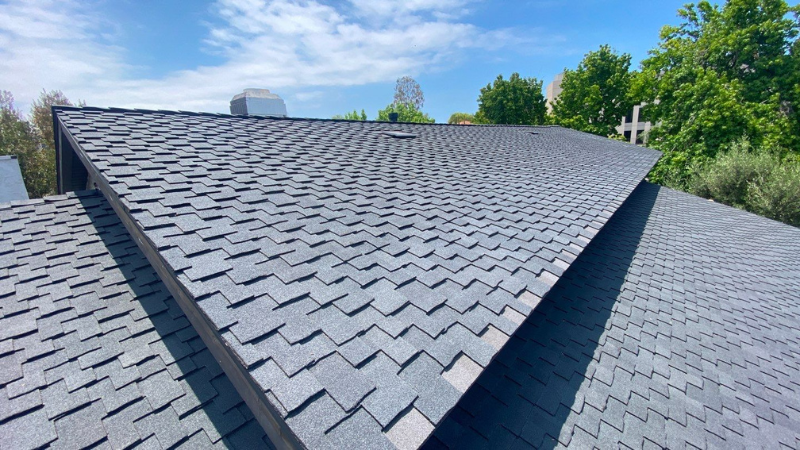
Asphalt shingles are the most popular roofing choice in America, largely due to their affordability and wide variety of colors. An asphalt shingle roof can be a reliable option, but its resistance to leaks is highly dependent on quality and maintenance. Shingles are secured with nails, which have less holding power than the screws used for other materials.
Over time, asphalt shingles can become susceptible to damage. Exposure to sun and wind can cause them to curl, crack, or lose their protective granules. Once this happens, the underlying material is exposed, creating a prime opportunity for leaks to develop.
Proper maintenance is key to maximizing the life and leak resistance of an asphalt shingle roof. Regular inspections to identify and repair damaged or missing shingles can prevent small problems from turning into major, costly leaks. While budget-friendly, this roofing type requires the right care in order to extend its lifespan.
Metal Roofing: Is It Truly the Most Leak-Resistant?
Many experts consider metal roofing, especially a standing seam metal roof, to be one of the most leak-resistant options available. This is due to its exceptional durability and smart design. Metal roofing panels are installed in large sheets with fewer seams, drastically reducing the number of potential entry points for water. Furthermore, these panels are secured with screws, which provide superior holding power against high winds compared to the nails used for shingles. The slick surface of metal also allows rain and snow to slide off quickly, preventing moisture from lingering. While the initial cost can be higher, the long-term performance makes it a worthwhile investment for many homeowners concerned about leaks.
Tile and Slate Roofs
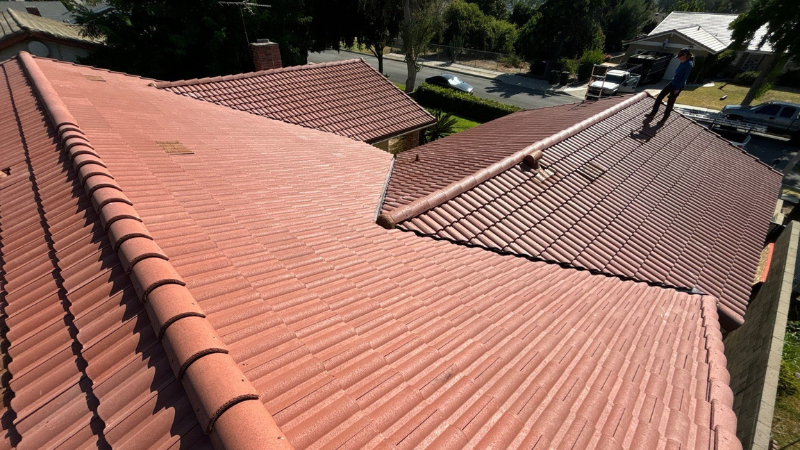
Tile and slate are premium roofing materials known for their incredible durability and longevity. Natural slate tiles are made of rock, inherently making them waterproof, and they can last for over a century. Similarly, clay tiles are fired to be hard and water-resistant, making them an excellent choice for leak prevention.
Both slate roofing and clay tile roofs are extremely heavy, which helps them resist high winds. However, this weight also means your home’s structure must be able to support the load. Their primary vulnerability comes from impact: a large hailstone or falling branch could crack a tile, creating an entry point for water.
While these materials themselves don’t absorb water, leaks can occur if a tile breaks or if the underlayment fails. Despite the higher cost, their proven performance and resistance to fire and rot make them a top-tier choice for a long-lasting, leak-resistant roof.
Preventing Roof Leaks: Maintenance and Best Practices
No roof is completely immune to leaks without a little help. Regardless of the material or design you choose, proper maintenance is the single most important factor in ensuring its longevity and performance. Following best practices for roof care can help you catch small issues before they become catastrophic failures.
Regular inspections and proactive repairs are the cornerstones of a solid maintenance plan. These simple steps protect your investment and give you peace of mind. Let’s review the essential tasks for keeping your roof in top shape and knowing when it’s time for a more significant intervention.
Essential Maintenance Steps for California Roofs
California’s unique climate of extreme heat, intense UV radiation, and occasional heavy rains calls for a specific maintenance approach. These conditions can accelerate the aging process of any roofing material, making regular check-ups even more critical than in other regions.
Proactive maintenance helps your roof withstand these environmental stressors. A simple walk-around inspection after a major storm or a couple of times a year can reveal potential problems like debris buildup, cracked sealant, or damaged shingles that need attention before the next downpour.
Here are some essential steps for California homeowners:
- Clean Gutters and Downspouts: Ensure water has a clear path to drain away from the roof, especially before the rainy season.
- Inspect for Sun Damage: Look for cracking, warping, or granule loss on shingles caused by UV radiation.
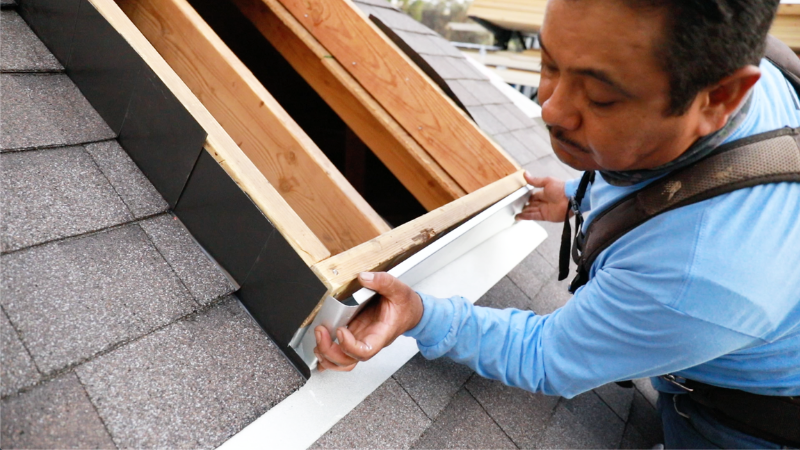
- Check Seals and Flashing: Examine the areas around vents, chimneys, and skylights for any signs of deterioration.
- Remove Debris: Clear away leaves, branches, and other debris that can trap moisture and promote rot or mold growth.
When to Repair or Replace for Maximum Leak Protection
Knowing whether to repair a small issue or opt for a full roof replacement is a crucial decision for long-term leak protection. For newer roofs with isolated damage, a professional repair is often the most cost-effective solution. This could involve replacing a few missing shingles or resealing flashing around a chimney.
However, if your roof is over 30 years old and has existing damage or recurring leaks, a replacement is the smarter investment. Patch jobs are a temporary fix, and though they are cheaper, they may lead to more problems and higher costs in the long run. A new roof restores the integrity of your entire roofing system and often comes with new warranties.
Consider the age and overall condition. An asphalt roof may last 20-25 years, while a metal or slate roof can last for over 50 years. When repair costs start adding up to a significant fraction of a replacement, it’s time to invest in a new roof for maximum durability and peace of mind.
Find the Right Leak Repair Expert for You
In conclusion, selecting the right roofing type is essential for minimizing the risk of leaks in your home. Each roofing material offers varying degrees of leak resistance, with metal roofs often leading the pack due to their durability and low maintenance requirements. However, both tile and slate roofs also provide excellent leak prevention when properly installed. Regular maintenance is key to prolonging the life of your roof and ensuring it remains effective against leaks. If you’re concerned about roof leaks or need professional guidance, don’t hesitate to contact Specialist Roofing in California today for expert assistance.
Frequently Asked Questions
Are energy-efficient roofs better at preventing leaks?
Not necessarily. Energy efficiency is about reflecting heat, while leak prevention is about blocking water. While many durable, leak-resistant roofing materials like metal are also energy-efficient, the two qualities are not directly linked. A good underlayment and proper installation are more critical for preventing leaks than a material’s energy rating.
Is there a roof type that is guaranteed not to leak?
No roofing material or roof design can guarantee zero leaks for its entire lifespan. All roofs have potential weak points, such as seams and penetrations. However, choosing a high-quality material, ensuring expert installation, and committing to proper maintenance will give you the best possible protection and minimize the risk of leaks significantly.
How long does a leak-resistant roof last before needing repairs?
This depends heavily on the material. A well-maintained metal or slate roof might go 50 years or more without needing major repairs, while an asphalt roof may need attention after 15-20 years. Durability and longevity are key, but unexpected events like severe storms can require repairs on any roof at any time.